
Agentic identity governance
You want to let teams build and use agents without creating a parallel identity estate you cannot explain, audit, or shut down.
You want to let teams build and use agents without creating a parallel identity estate you cannot explain, audit, or shut down.

AI agents are moving from experiments to infrastructure. They read, decide, and act. Sometimes in response to a human. Sometimes on their own.
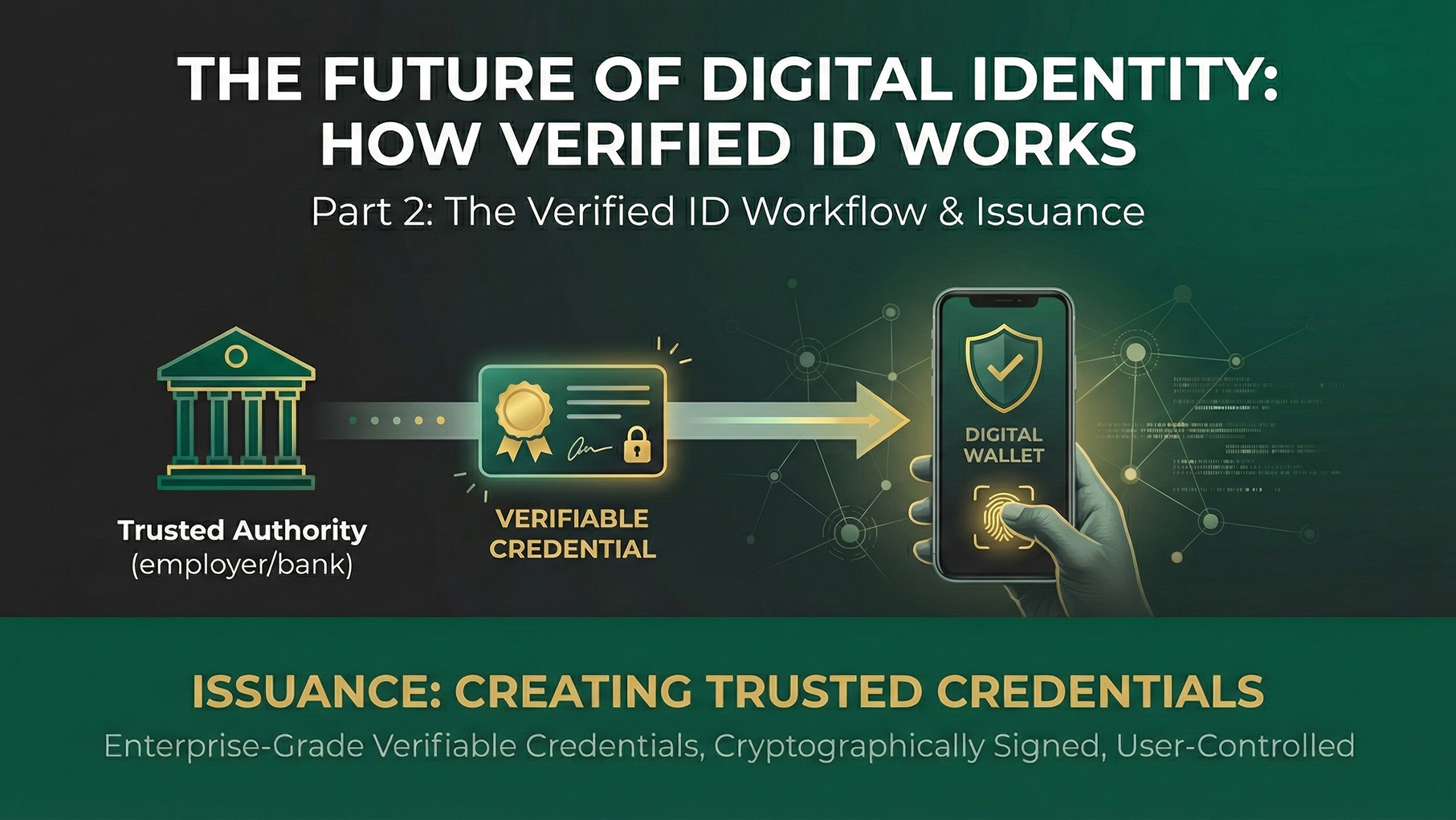
2: The Future of Digital Identity: The verified ID workflow and issuance

1: The Future of Digital Identity: How Verified ID Works
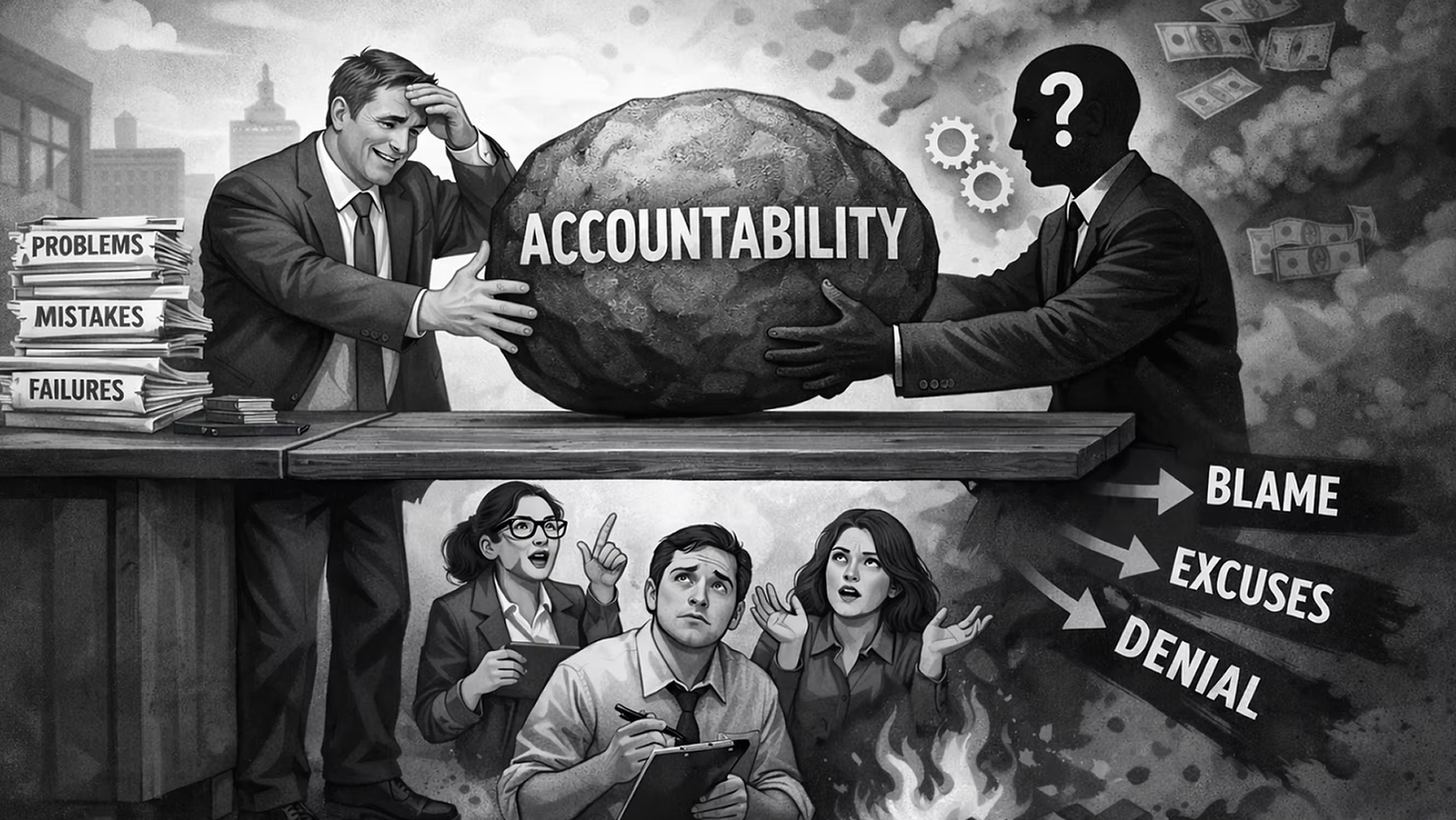
Most organizations today rely on external partners to run critical parts of their operation. Infrastructure is hosted. Applications are delivered as services. Security tooling is licensed rather than built. This is not a weakness. It is how modern organizations scale.

Bufdir – the Norwegian Directorate for Children, Youth and Family Affairs, is at the very core of Norway’s welfare state.

IAM 101: The Questions You Should Be Asking About Access (Even If No One Has Said Them Out Loud Yet)
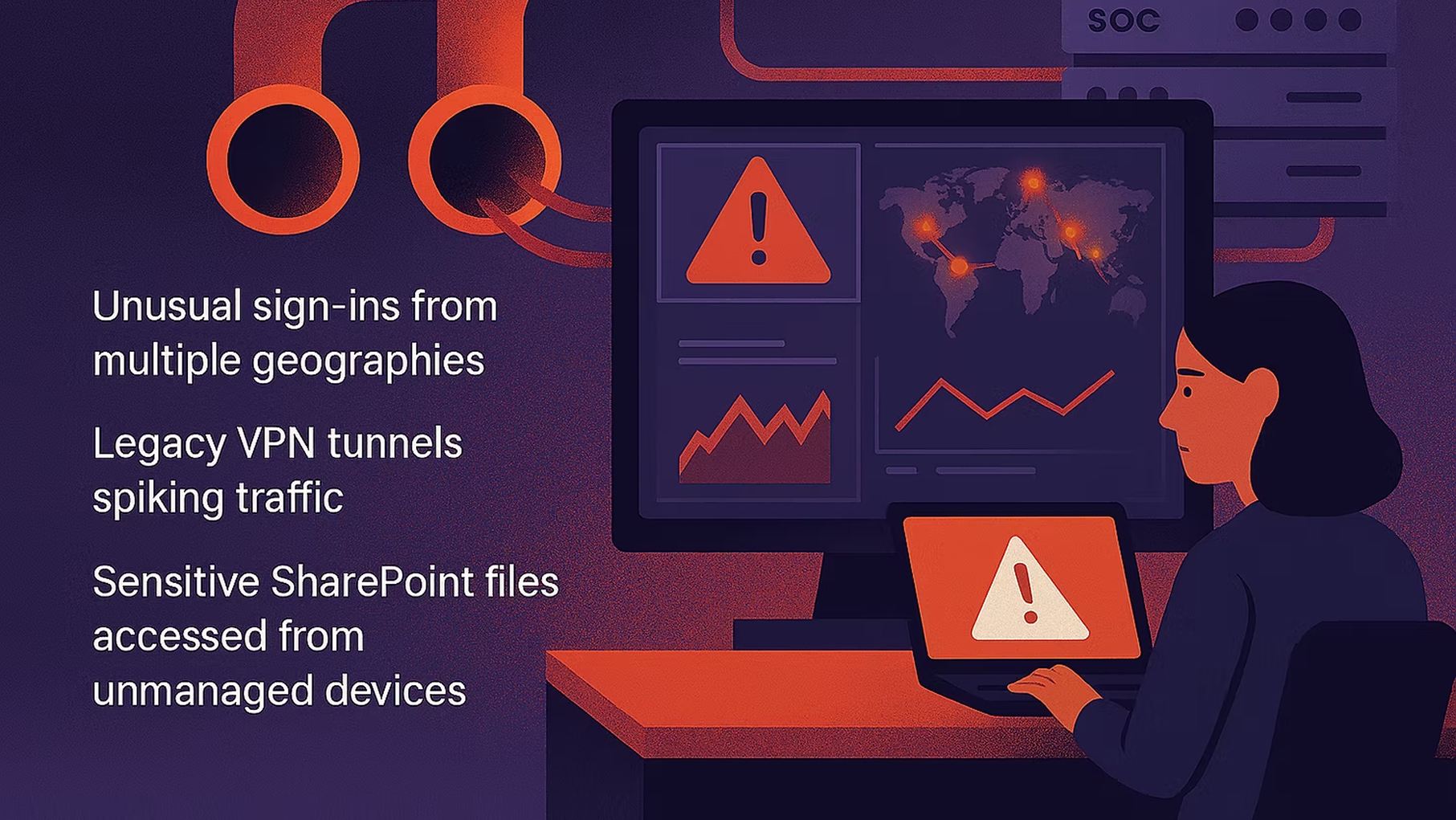
Entra SSE Part 2: Building the Zero Trust Defense That Stopped the Breach
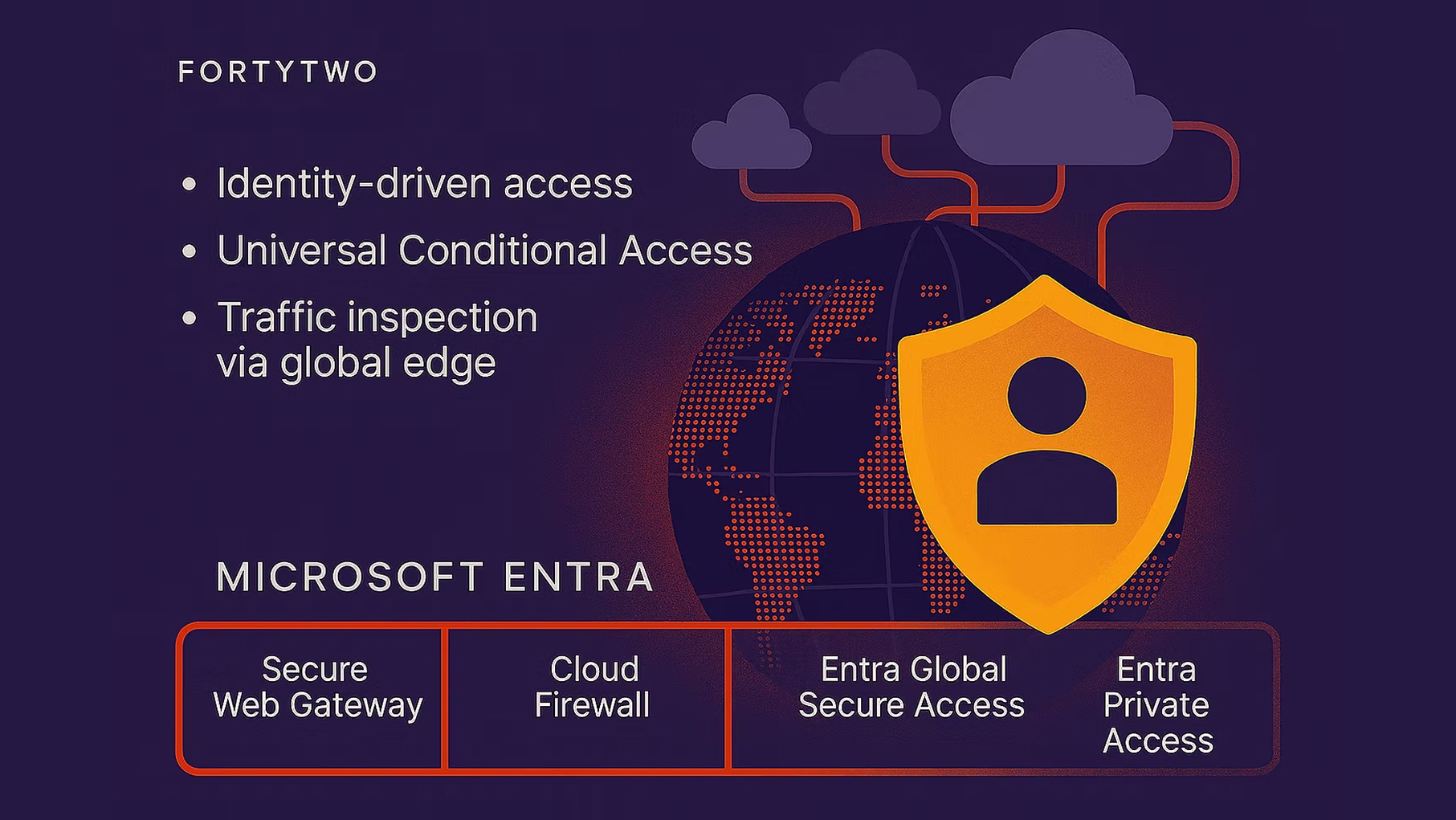
Entra SSE Part 1: When Access Becomes the Attack Vector

Security is no longer about defending borders. It’s about defending trust.

A good glossary shouldn’t sound like a manual. It should read like a field guide — short definitions that make you actually understand what’s happening when someone says “Zero Trust” or “Conditional Access.”

Passwords have been the default for decades. They were simple to set up, easy to explain, and cheap to distribute.
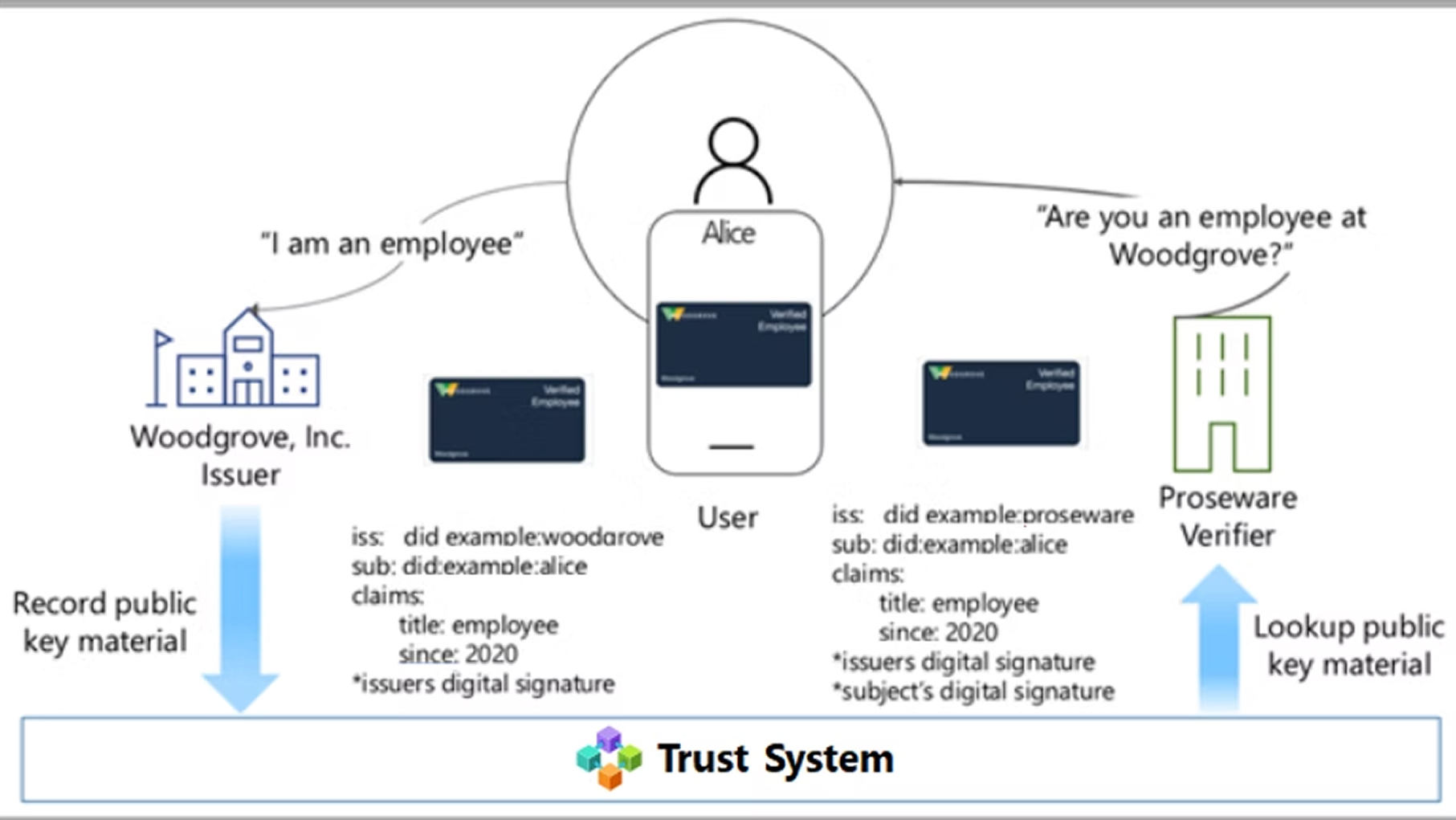
If Part 1 answered “what” and “why,” this post answers “where” and “how.” Below are practical use cases you can deploy now, plus a quick-start delivery plan to take Verified ID from idea to production—fast.